Kobe beef Tor Road Steak Aoyama in Kobe
ステーキ青山
A small family-run restaurant in Kobe with top quality wagyu and genuinely warm, friendly owners.

Inside Tor Road Steak Aoyama
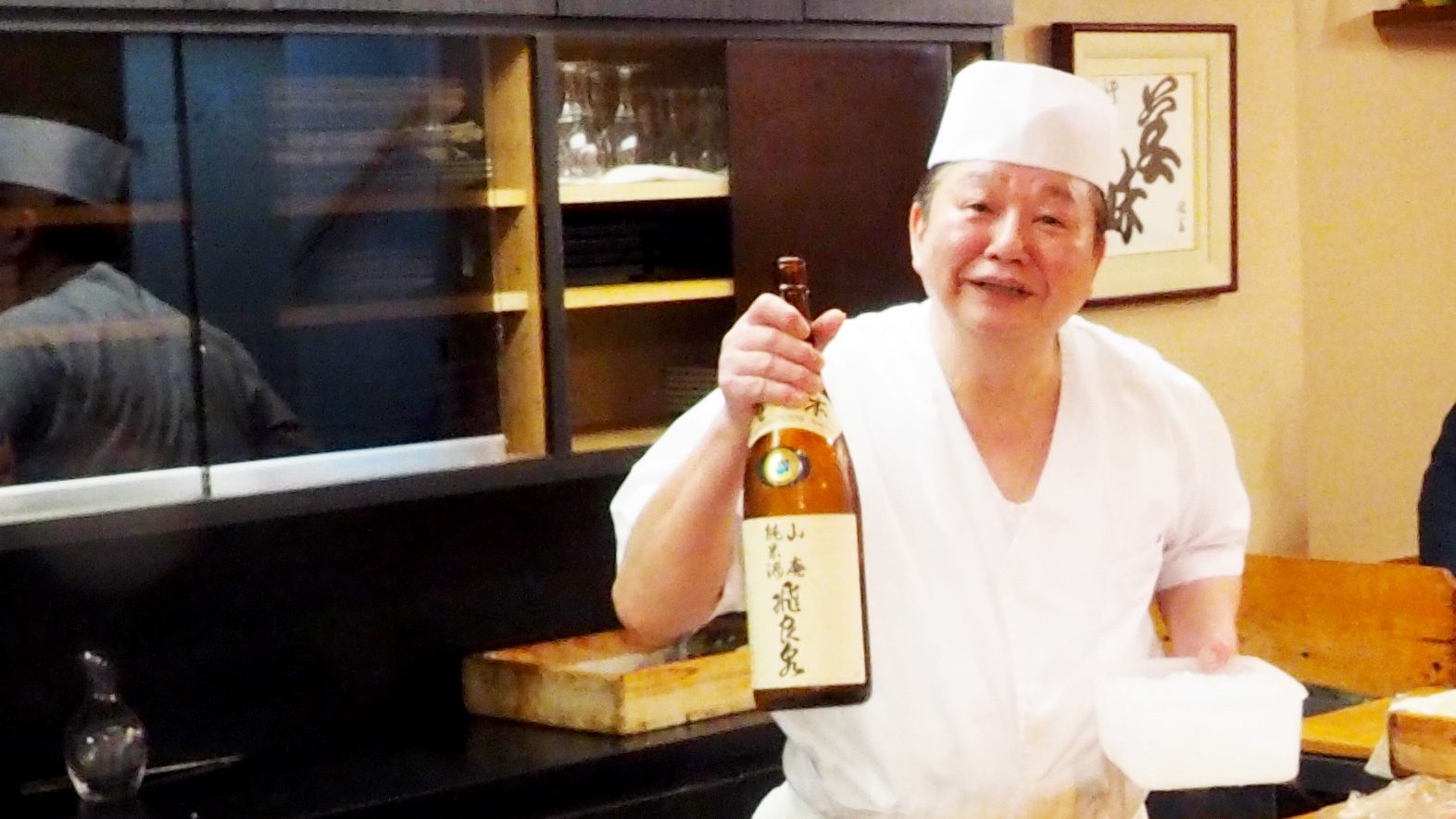
Tor Road Steak Aoyama is a small, friendly, family-run place on Tor Road. It opened in 1963, when its founder named it "Aoyama" — "green mountain" — for the view of the lush Rokko mountains you could still see from here before the high-rises went up. It's now run by the third generation, the founder's grandson, who grills the beef right in front of you while his mother serves the rest of the meal. Reservations are a must — book well in advance, easiest through their Facebook page (external link).
The meal
We took the dinner course at ¥12,000 (around €97) per person, which included soup, carpaccio, the beef itself (160g), salad, rice, dessert, and coffee. A wine menu is also available.
You sit side by side at a grill plate where the cook prepares everything in front of you. After the starters, he presents the raw ingredients: vegetables, mushrooms, tofu, and the beef itself. He starts with the vegetables and tofu, then cuts the beef into small cubes and grills each side to perfection, chatting easily throughout in a relaxed, welcoming atmosphere. He finishes by serving the beef alongside garlic slices grilled together with it. The only toppings are a light ponzu sauce and salt — and honestly, nothing more is needed. It's heaven on earth.
Kobe beef is a genuine point of national pride, and in Kobe itself you'll find plenty of places serving it — but quality comes at a price. We also tried another, more commercial Kobe beef restaurant: bigger, cheaper, and the difference in experience — and the disappointment — couldn't have been greater. If you're not willing to spend, skip Kobe beef altogether rather than settle for a tourist trap.
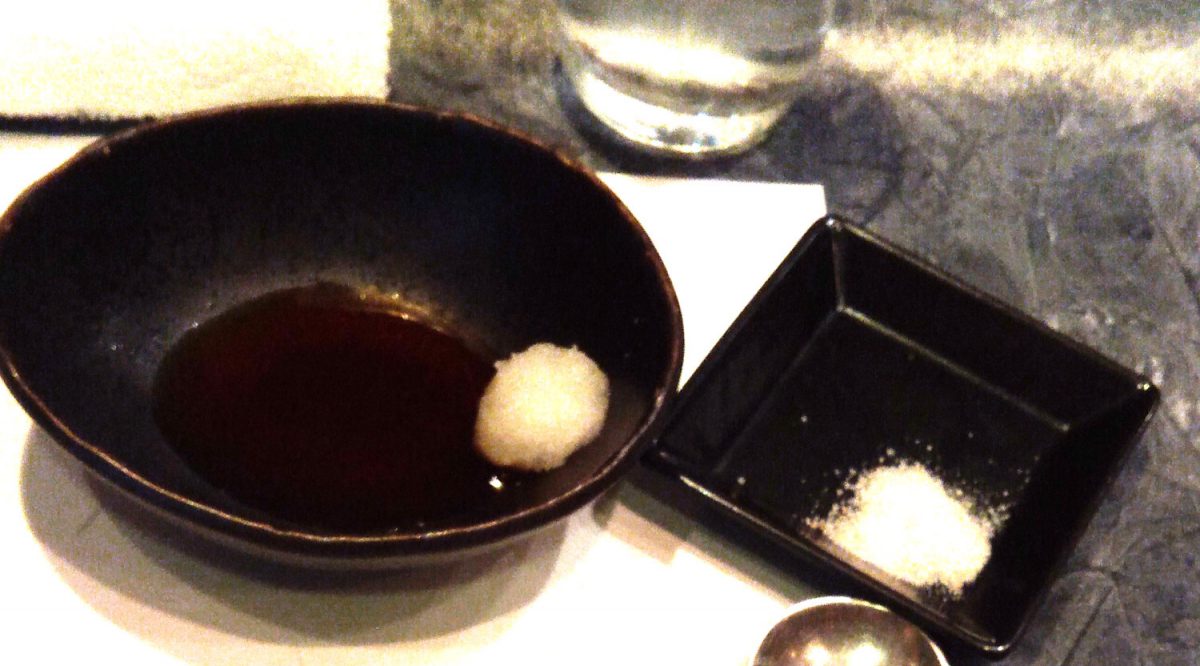
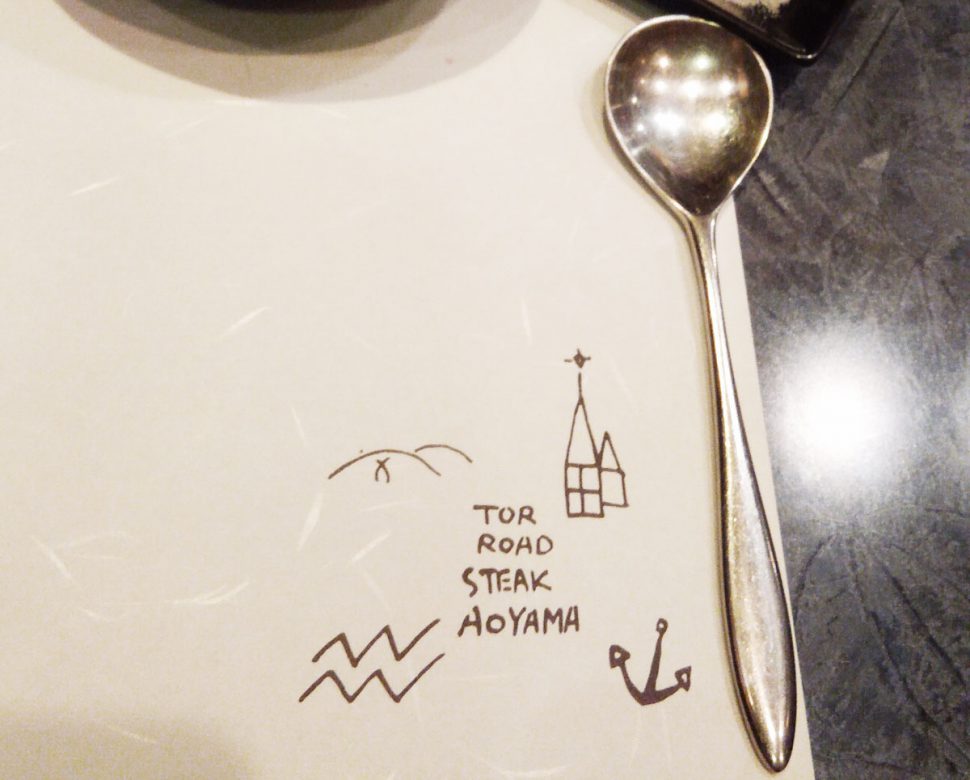

Tableware
The silver cutlery and tableware are vintage, and some of the plates were damaged in the Great Hanshin earthquake (external link) of 1995, the mother told us. Rather than throw them away, she had them restored using the kintsugi technique (external link). So the plates you eat from carry real history and memory. It's a small window into how Japanese people process disaster: not by forgetting, but by keeping the memory visible.
What else do to in Kobe?
Related to the Great Hanshin earthquake, we'd strongly recommend visiting The Great Hanshin-Awaji Earthquake Memorial Disaster Reduction and Human Renovation Institution (external link) (人と防災未来センター). It's a museum where you learn firsthand what an earthquake can do, how disaster prevention works in Japan, and how people have learned to live with the risk.
P.S. While you're in Kobe, go see the mighty Akashi Kaikyō Bridge (external link) — for decades the world's longest suspension bridge, and still the second-longest today, after Turkey's 1915 Çanakkale Bridge overtook it in 2022.
Good to know
- Reservation
Book well in advance via Facebook (external link) — that's the easiest way to reach them. Phone: +81 78 391 4858.
- Location
- Details
-
Visited Last checked